Pay N Play casinos combine bank-based payment, identity checks, and account creation into a streamlined flow in supported markets. Learn how the model works in 2026.

Best Pay N Play Casinos 2026 – Quick Registration & Instant Banking
Traditional casino registration can involve several steps before a player reaches the cashier. Pay N Play changes that model by combining banking technology, account creation, and identity-related steps into a more streamlined flow at supported operators. The best Pay N Play casinos focus on quick onboarding, direct bank payments, efficient withdrawals, clear verification rules, and transparent casino terms.
Trustly explains that Pay N Play can combine gaming-account creation, identity verification, and a deposit in one flow. Some participating merchants can also use the system when returning players log in.
This makes Pay N Play different from a standard Trustly payment page. A regular Trustly casino guide focuses primarily on deposits and withdrawals. A Pay N Play guide focuses on the complete account journey.
What Is a Pay N Play Casino?
A Pay N Play casino uses supported bank-payment and identification technology to simplify the normal registration process.
Instead of manually completing a long registration form before depositing, the player may start through the payment flow.
The exact process depends on:
- Country
- Bank
- Casino
- Payment integration
- Identity technology
How Pay N Play Works
The player generally starts from the casino website.
A typical journey may include:
- Selecting a deposit amount
- Choosing the supported bank
- Authenticating through the bank
- Confirming the payment
- Allowing the casino to create or connect the gaming account
The technology can reduce the amount of information players need to type manually.
Does Pay N Play Mean No Registration?
The phrase “no registration casino” often creates confusion.
The player still needs a gaming account relationship with the operator.
Pay N Play simply streamlines how the operator creates or identifies that account.
Players should avoid interpreting the term as anonymous gambling without an account.
Does Pay N Play Mean No KYC?
No.
Pay N Play can integrate identity verification into the onboarding process, but casinos can still request additional checks.
The operator may later ask for:
- Proof of identity
- Proof of address
- Source of funds
- Additional payment information
Bank authentication does not eliminate regulatory or security obligations.
Pay N Play vs Traditional Casino Registration
| Feature | Pay N Play | Traditional Registration |
|---|---|---|
| Account creation | Can form part of banking flow | Usually manual form first |
| Deposit | Often integrated into onboarding | Occurs after registration |
| Identity step | Can use bank-linked verification | Casino may request separate KYC |
| Login | May use simplified returning-player flow | Username/email and password often apply |
Casino Deposits
Pay N Play relies on supported banking technology for the payment stage.
The player starts the payment from the casino rather than sending money manually to a payment-provider account.
The player then authenticates through the bank and approves the transaction.
Are Pay N Play Deposits Instant?
Bank-based payment technology can provide rapid confirmation, but the actual experience depends on the bank, casino, payment provider, and transaction checks.
Players should not assume that every payment will always settle at exactly the same speed.
Pay N Play Withdrawals
The casino can use supported banking rails for withdrawals when the merchant provides that service.
The player requests the payout through the casino.
The operator then decides when to send the withdrawal.
As with other payment methods, casino processing can matter more than the payment technology itself.
Fast Registration Does Not Guarantee Fast Withdrawals
This represents one of the most important points for players.
A casino can offer an excellent onboarding experience but still use slower payout reviews.
Before depositing, compare:
- Withdrawal approval policy
- Pending periods
- KYC requirements
- Payout limits
- Weekend processing
Pay N Play Casinos and Bonuses
The original Pay N Play model often focuses heavily on simple banking and account access, but casinos can still offer promotions.
A player may encounter:
- Welcome bonuses
- Free spins
- Cashback
- Reload offers
- Loyalty rewards
The exact promotional structure depends on the operator.
How Pay N Play Bonus Eligibility Works
Players should check whether the relevant instant-banking deposit qualifies.
Important terms include:
- Minimum deposit
- Bonus percentage
- Wagering requirement
- Maximum bet
- Eligible games
- Maximum cashout
- Bonus expiry
Example of a Pay N Play Casino Bonus
Imagine a casino offers 50% up to €100 with a €20 minimum deposit.
The player deposits €100 through the integrated bank flow.
If the deposit qualifies, the casino adds €50.
At 20x wagering:
€50 × 20 = €1,000 in qualifying wagers
Quick registration does not change the wagering requirement.
Pay N Play and Online Slots
The payment model does not change how casino games work.
Players can access online slots, live casino games, table games, and other categories when the operator provides them.
The casino should still explain:
- RTP information
- Bonus game contribution
- Restricted games
- Maximum bets
Pay N Play vs Trustly Casinos
This distinction helps prevent keyword cannibalization.
A Trustly casino article answers: “Which casinos let me use Trustly for deposits and payouts?”
A Pay N Play casino article answers: “Which casinos use an instant-banking model to simplify registration, identity, deposit, and return login?”
Trustly provides Pay N Play services to participating merchants, but a Trustly payment integration does not automatically mean every casino uses the full Pay N Play model.
For the payment-specific angle, see Betanino’s Best Trustly Casinos guide.
Pay N Play vs E-Wallet Casinos
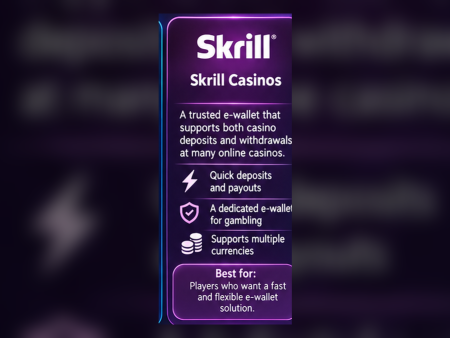
E-wallet casinos require a separate wallet account such as Skrill or Neteller.
Pay N Play connects more closely with supported bank authentication.
Players who dislike maintaining a separate e-wallet may prefer direct banking.
Pay N Play vs Crypto Casinos
Crypto casinos use blockchain wallets and digital assets.
Pay N Play stays within supported banking infrastructure.
Crypto users may value blockchain transfers, while Pay N Play users may value familiar bank authentication.
Pay N Play and Mobile Casinos
The streamlined model can work particularly well on mobile devices.
Instead of typing lengthy registration details on a small screen, the player can use the integrated banking flow.
A strong mobile experience should also support:
- Fast account access
- Mobile deposits
- Mobile withdrawals
- KYC uploads
- Responsible gambling controls
- Customer support
Pay N Play Casino Limits
Fast banking does not remove deposit or withdrawal limits.
| Limit | Why It Matters |
|---|---|
| Minimum deposit | Controls the smallest payment |
| Maximum deposit | Can depend on casino and bank rules |
| Minimum withdrawal | Matters for smaller balances |
| Daily payout limit | Affects larger wins |
| Monthly payout limit | Important for high-value players |
How We Compare Pay N Play Casinos
A strong Pay N Play operator should score well in several areas.
1. Registration Flow
The casino should make onboarding genuinely simpler rather than merely using the phrase for marketing.
2. Bank Coverage
The system should support relevant banks in the player’s location.
3. Withdrawal Experience
The operator should provide a clear route from casino balance back to the player’s bank.
4. Verification
The casino should explain when it may request additional KYC.
5. Limits
Deposit and withdrawal thresholds should remain easy to find.
6. Bonus Terms
If the casino offers a bonus, the operator should state the wagering and payment eligibility clearly.
Pros and Cons of Pay N Play Casinos
Advantages
- Streamlined onboarding
- Bank-based payment flow
- Less manual form filling
- Convenient mobile experience
- Integrated identity elements in supported markets
Disadvantages
- Available only in certain markets
- Not every bank participates
- Additional KYC can still occur
- Fast signup does not guarantee instant withdrawals
- Some players may prefer a traditional username-and-password account
Responsible Gambling at Pay N Play Casinos
Faster deposits can make gambling feel frictionless, so account controls remain especially important.
Players should look for:
- Deposit limits
- Loss limits
- Time limits
- Cooling-off options
- Self-exclusion
Convenient payment technology should never encourage users to deposit more frequently than planned.
Useful Betanino Guides
Read Casino Payment Methods Explained to compare instant banking with cards, e-wallets, prepaid payments, and crypto.
For identity checks, see Casino Verification / KYC Guide.
For payout timing, read Casino Withdrawal Times Explained.
FAQ
What does Pay N Play mean?
Pay N Play describes a casino flow that can combine bank-based payment, gaming-account creation, and identity-related steps into a streamlined process.
Is Pay N Play the same as Trustly?
No. Trustly provides payment services and can provide Pay N Play services to participating merchants, but a normal Trustly payment option does not automatically mean the casino uses the full Pay N Play model.
Do Pay N Play casinos require KYC?
They can. The system may integrate identity verification into onboarding, and casinos can request additional documents later.
Are Pay N Play withdrawals instant?
Not necessarily. The payment technology can support fast transfers, but the casino decides when it approves and sends the withdrawal.
Do Pay N Play casinos offer bonuses?
Some do. Players should check payment eligibility, wagering, maximum bets, game contribution, and cashout restrictions.
Final Thoughts
The best Pay N Play casinos focus on convenience across the entire customer journey rather than simply offering a fast deposit button.
The strongest operators combine streamlined onboarding, supported bank authentication, transparent withdrawals, clear KYC, sensible limits, and responsible gambling controls.
Pay N Play can reduce registration friction, but it does not remove casino rules, verification, bonus terms, or gambling risk. Choose an operator that supports your location and bank, and keep every deposit within a fixed entertainment budget.